Source Tamper Proof Pet Security Tape for Packaging
Find 30 verified options for tamper proof pet security tape suitable for carton sealing, medicine packaging, and business applications. Buyers can compare adhesive types, thickness, and customization features from multiple suppliers in China; compare the available evidence and request quotations based on your requirements.
Key considerations
Products List


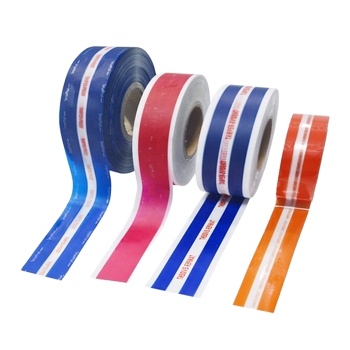
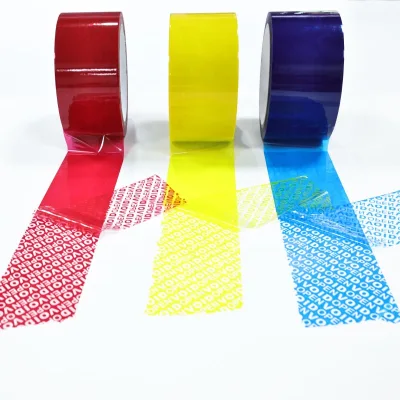
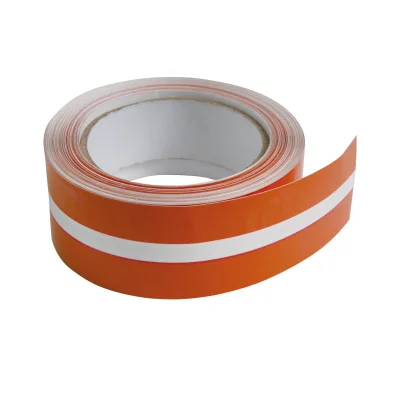


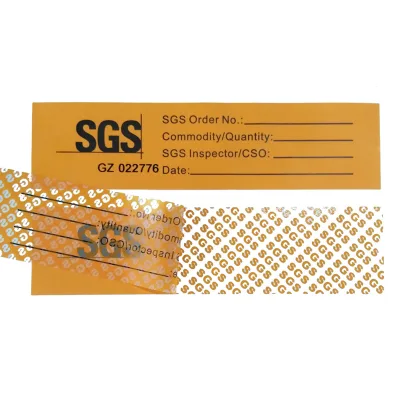


Comprehensive Sourcing Guide
Tamper Proof Pet Security Tape Sourcing Guide
Procuring tamper-proof PET security tape requires a strategic approach that balances material durability with adhesive performance. Buyers must first define the specific security level required for their packaging or asset protection needs. The core keyword highlights a niche segment where standard BOPP tapes may fail under tampering attempts. Understanding the distinct advantages of PET material over traditional polymers is essential for making an informed sourcing decision. This guide outlines the critical verification steps, technical parameters, and commercial considerations necessary to secure a reliable supply chain for high-security sealing applications.
The market offers various configurations, from self-adhesive rolls to custom-printed labels. Sourcing teams should evaluate whether their operations require continuous roll formats or pre-cut label sheets. The choice between matte and gloss finishes often depends on printability and handling conditions. Additionally, the availability of customization options allows businesses to integrate brand identity with security features. This dual purpose ensures that the tape not only protects the product but also reinforces brand recognition during the unboxing or inspection process.
Product Scope and Observed Listing Signals
The observed product range indicates a strong presence of BOPP and PET materials, with thicknesses varying from 35 to 90 microns. Listings frequently highlight features such as anti-counterfeit properties and tamper-proof functionality, which are critical for high-value goods. The price range of 0.1 to 35 USD suggests significant variation based on material grade, adhesive type, and customization complexity. Buyers should note that lower prices may correspond to standard BOPP constructions, while PET variants typically command a premium due to superior tear resistance and durability.
Minimum order quantities (MOQs) span from 1 to 3600 units, reflecting flexibility for both trial orders and large-scale industrial contracts. The presence of custom size acceptance and logo printing services indicates a mature supplier base capable of meeting specific branding requirements. Observed listings also mention various color options, including blue, red, white, and green, which can be used for visual security coding. These signals suggest that buyers can find suppliers who offer both off-the-shelf solutions and fully tailored security tape products.
Technical Specifications to Verify
Adhesive type is a primary technical differentiator, with acrylic and hot melt options commonly available. Buyers must verify the adhesive’s performance under specific environmental conditions, such as temperature fluctuations or humidity. The tape’s ability to remain intact upon removal is crucial for tamper evidence; PET materials generally offer better tear resistance than BOPP. Additionally, the paper core size, typically 50 mm, 38 mm, or 25 mm, must align with existing dispensing equipment to ensure operational efficiency.
Thickness and width specifications should be matched to the weight and fragility of the packaged goods. Thicker tapes, such as those around 80 microns, provide enhanced security but may require more powerful dispensing mechanisms. The length of the roll, ranging from 5 to 6000 meters, impacts inventory management and usage frequency. Buyers should also confirm the printing capabilities, including digital printing options, to ensure that custom designs or security text can be applied with high precision and clarity.
Compliance and Safety Documentation
While specific certification statuses vary by supplier, ISO 9001 is a common quality management standard referenced in the industry. Buyers should request valid certificates to ensure that the manufacturing process adheres to international quality benchmarks. SGS and AAR certifications may also be relevant, particularly for industries with strict regulatory requirements. Verifying these documents helps mitigate risks associated with inconsistent product quality and ensures that the supplier maintains robust internal controls.
Safety data sheets (SDS) are essential for understanding the chemical composition of the adhesive and backing material. Buyers must ensure that the tape complies with local regulations regarding hazardous substances, especially if the packaging will come into direct contact with food or pharmaceuticals. Although the provided facts do not specify all regulatory details, requesting comprehensive compliance documentation is a critical step in the qualification process. This due diligence protects the buyer from potential legal liabilities and ensures product safety throughout the supply chain.
Cost Drivers and Commercial Terms
Material selection is the most significant cost driver, with PET tapes generally costing more than BOPP alternatives due to their superior strength and security features. Customization, including custom sizes, colors, and printed logos, adds to the unit price but can enhance brand value and security. Buyers should evaluate the total cost of ownership, considering factors such as dispensing efficiency and the potential reduction in theft or tampering incidents. The observed MOQ ranges allow for flexible budgeting, enabling buyers to start with smaller orders before scaling up.
Payment terms and lead times are critical commercial considerations that vary among suppliers. Buyers should negotiate clear terms regarding shipping, insurance, and return policies to protect their interests. The single package size and gross weight information provided in listings can help in calculating logistics costs accurately. Understanding these commercial dynamics allows procurement teams to forecast expenses more precisely and avoid unexpected costs associated with customization or expedited shipping.
Supplier Qualification and Quality Control
Supplier qualification should begin with a thorough review of their manufacturing capabilities and quality control processes. Buyers should verify the supplier’s ability to maintain consistent adhesive performance and tape thickness across large production runs. Requesting samples is a crucial step to test the tape’s tamper-proof characteristics and adhesion strength under real-world conditions. Suppliers who offer design printing services should also demonstrate their ability to maintain print quality and color accuracy.
Quality control checks should include random sampling from production batches to ensure compliance with specified standards. Buyers should establish clear acceptance criteria for defects such as uneven adhesive application, edge fraying, or printing misalignment. Regular audits of the supplier’s facility can provide additional assurance of their commitment to quality. Building a strong relationship with a qualified supplier ensures a steady supply of high-quality tamper-proof tape, reducing the risk of production disruptions.
Long-Term Procurement Checks
Long-term procurement success depends on continuous monitoring of supplier performance and market trends. Buyers should regularly review supplier quality metrics, including defect rates and delivery reliability, to ensure ongoing compliance. Staying informed about advancements in security tape technology can help buyers identify opportunities for improved protection or cost savings. Engaging in periodic contract reviews allows for adjustments in pricing and terms based on market conditions and volume changes.
Sustainability considerations are increasingly important in procurement decisions. Buyers should inquire about the environmental impact of the tape materials and adhesive formulations. Suppliers who offer eco-friendly options or recyclable materials can help buyers meet their corporate sustainability goals. By maintaining a proactive approach to supplier management and market analysis, buyers can secure a resilient supply chain that supports their long-term business objectives and security needs.
FAQs
What materials are used for tamper proof pet security tape?
Tamper proof pet security tape is primarily manufactured using BOPP and PET materials. These substrates provide the necessary durability and strength for secure sealing applications. The tape features acrylic or hot melt adhesive to ensure strong bonding. This combination of materials ensures the tape remains intact and provides reliable tamper evidence during transit and storage.
Can tamper proof pet security tape be customized with logos?
Yes, customization is available for tamper proof pet security tape. Buyers can accept custom colors and logos to match their brand identity. The product supports digital printing and graphic design services. This allows for personalized branding on the tape surface, enhancing security and brand recognition for business and shopping packaging needs.
What certifications do tamper proof pet security tape suppliers hold?
Suppliers of tamper proof pet security tape typically hold ISO 9001, SGS, and AAR certifications. These standards verify quality management and product reliability. The certifications ensure that the manufacturing processes meet international requirements. Buyers can rely on these documented credentials to assess supplier capability and product consistency for their specific sourcing needs.
How thick is the tamper proof pet security tape?
The thickness of tamper proof pet security tape ranges from 35 microns to 90 microns. Specific models may feature a thickness of 80 microns for enhanced durability. This variation allows buyers to select the appropriate strength for their packaging requirements. The thickness ensures the tape provides effective tamper evidence while maintaining flexibility for application on various surfaces.
What adhesive types are used in tamper proof pet security tape?
Tamper proof pet security tape utilizes acrylic and hot melt adhesive types. These adhesives provide strong bonding capabilities for secure sealing. The pressure-sensitive nature ensures easy application while maintaining a firm hold. This adhesive technology supports the tape's function as a tamper-evident seal for carton sealing and packing applications.
What are the standard packaging options for tamper proof pet security tape?
Tamper proof pet security tape is provided in rolls or label sheets. The packaging is typically done by carton or box packing. This ensures safe transport and storage of the product. The standard packaging options protect the tape from damage and maintain its adhesive properties until it is ready for use in sealing operations.